How People Are Finding Land (Not Just Zillow)
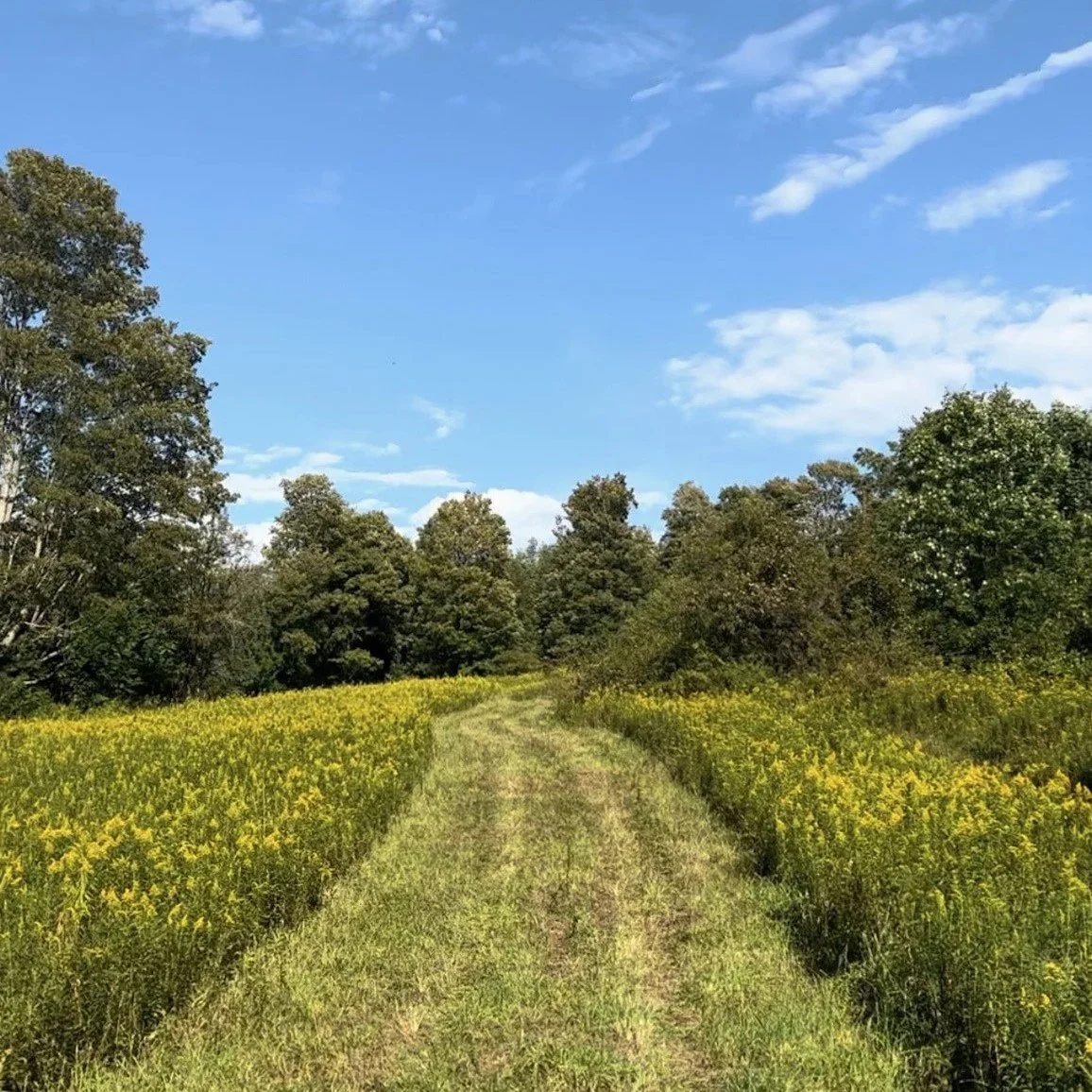
Photo taken of a piece of raw land on nearby family property.
Hey friends, welcome back to Life on Spirit Hill!
If you read our last two posts—What We Should Have Done Before Planning Our Build and What to Research Before Buying or Building on Land—you know we spent a lot of time getting clear on what we wanted and learning the practical stuff (zoning, water, access, all the not-so-fun details).
Our own piece on Spirit Hill came as a generous family gift, which we don’t take for granted. But we know most people don’t have that option.
So we went down the rabbit hole.
We spent hours researching how people actually find and afford land (or a house with land)—not just the ideal version you see online.
And here’s what we realized pretty quickly:
👉 It doesn’t have to be raw land.
A lot of people start with a house on acreage—and in many cases, that’s the simpler, less overwhelming path.
It Doesn’t Have to Be Raw Land: Houses with Acreage as a Homestead Option
Raw land gives you a blank slate—but it also means handling everything yourself: well, septic, access, clearing, and all the unknowns.
Buying a house with land (sometimes called a ranchette, small farmstead, or country home with acreage) can skip a lot of that startup pressure.
What we learned about the trade-offs:
Pros:
You can often move in right away (or quickly)
Existing utilities, driveway, and sometimes outbuildings
Less overwhelming—no immediate pressure to build shelter
Easier financing (traditional home loans vs. land loans)
Still plenty of room to grow into homesteading (gardens, animals, etc.)
Cons:
Higher upfront cost
Less customization
Possible zoning or covenant restrictions
Ongoing maintenance on the home itself
We saw a lot of homesteaders use this as a “base camp”—living on-site while slowly building out gardens, barns, or even a separate cabin.
And honestly… if you’re someone who would pay a little more for convenience (I definitely am), this route can feel like a huge relief.
💡 Good news: Most of the search methods below work for both raw land and homes with acreage—just adjust your filters.
A Quick Reality Check (That Might Actually Be Good News)
Right now is a pretty interesting time to be looking.
There’s a major wealth transfer happening in U.S. farmland—millions of acres (often with homes and outbuildings) are expected to change hands as older generations retire.
👉 That means more opportunities are opening up for people like us.
The Everyday, Straightforward Ways to Find Land (or a House with Land)
If you want the simplest, most straightforward way to start—this is where most people begin.
Online Listing Sites
We started here because you can search from the couch.
Some of the main ones:
Zillow
LandWatch
LandFlip
LandAndFarm
Farmland listings through FarmlandInfo.org
Craigslist + Facebook Marketplace (for direct deals)
Tips:
Set alerts for acreage, price, and keywords
Search phrases like:
“homes with acreage”
“country home with land”
“small farmstead”
Look for “unrestricted” or “agricultural” zoning
Working with a Rural or Land-Focused Realtor
A good land specialist:
Understands local zoning quirks
Finds off-market deals
Helps with paperwork and due diligence
Most are paid by the seller, not you.
👉 If you value convenience, this can save you a ton of time and stress.
Local Auctions and FSBO (For Sale By Owner)
County auctions
Driving rural roads and looking for signs
Direct seller deals
These can sometimes lead to:
Better prices
Less competition
More flexible negotiations
Networking and Local Connections (The “People Power” Route)
This takes more effort—but it’s where a lot of the best, unlisted opportunities come from.
Talking to Locals
Feed stores
Farm co-ops
Community events
Simple conversations can lead to:
👉 “Hey, someone down the road might be selling soon…”
Reaching Out Intentionally
Try posting or asking:
“We’re looking for land (or a home with acreage) to start a homestead—any leads?”
Places to try:
Local Facebook groups
Farm bureaus
County extension offices
A lot of older landowners care who their land goes to—not just the price.
Land Sharing & Matching Programs
Resources like FarmlandInfo.org’s Farm Link directory connect:
Landowners
Aspiring homesteaders
This can look like:
Leasing land from someone not using it
Living on and managing property in exchange for reduced cost
Gradually buying land over time
👉 It’s not as common—but it can be a much lower-risk way to get started.
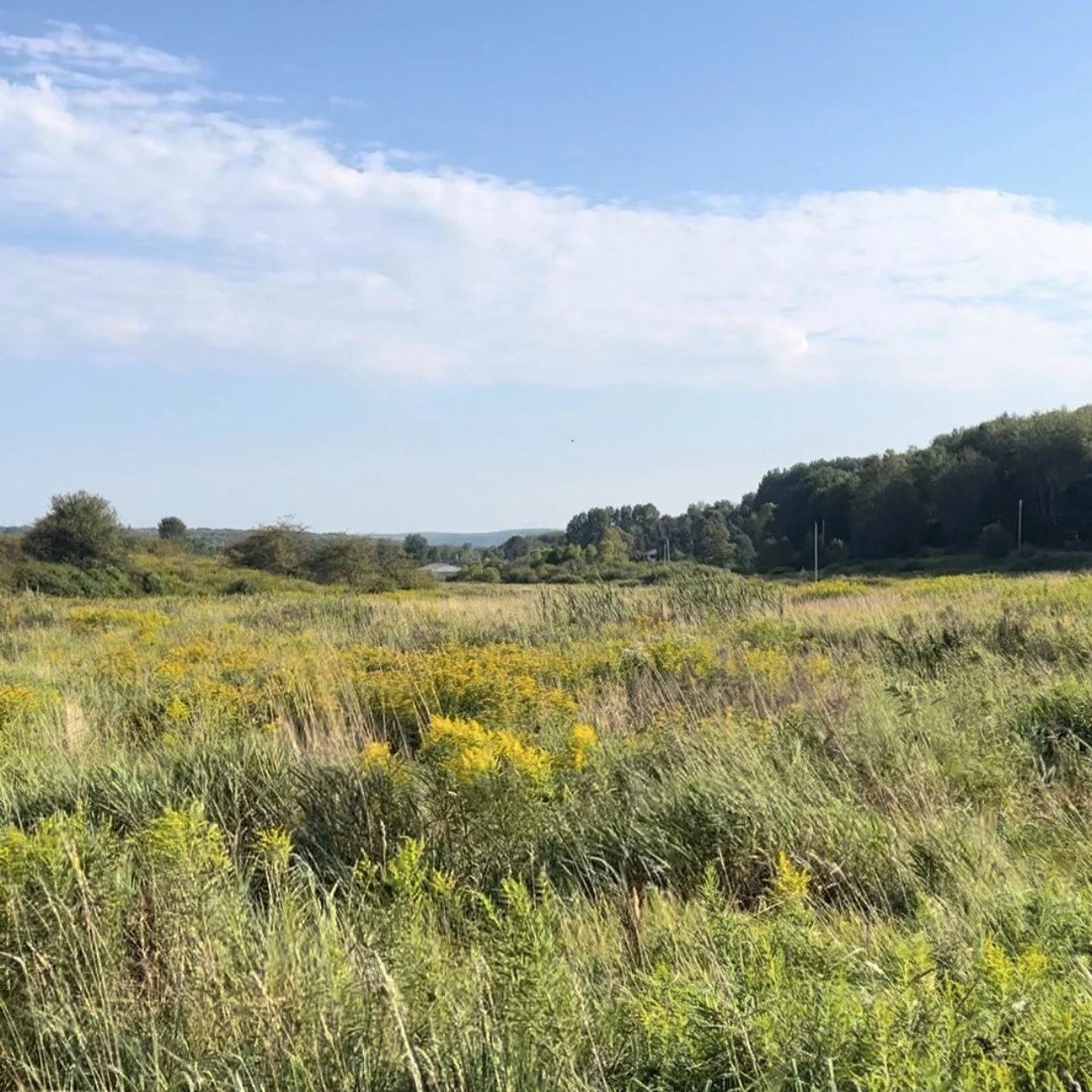
More raw land on nearby family property.
More Creative and Flexible Ways to Get Started
If traditional buying feels out of reach—or you want to stretch your budget—these are worth exploring.
Grants and Local Incentives
Some towns offer:
Free or discounted land
Tax breaks
Build incentives
Search:
“rural land grants [your state]”
“beginning farmer programs”
USDA FSA Loans (Farm Service Agency)
Designed for beginners:
Low down payment options (sometimes ~5%)
Can apply to land, homes, or improvements
👉 Check out farmers.gov or your local FSA office.
Farm Credit Lenders
Farm Credit lenders are cooperatives that specialize in rural land, farms, and homesteads—and they tend to understand non-traditional buyers better than big banks.
These lenders:
Specialize in rural properties
Understand non-traditional buyers
Often offer more flexible terms
Many branches will walk you through your options—even if you’re just starting to explore.
You can find your local branch through the Farm Credit System website, or search:
“Farm Credit near me”
“rural land loan [your state]”
Conservation Easements
Conservation easements can lower the cost of land by limiting how it can be developed—but they come with rules, so it’s important to understand them upfront.
Land may be cheaper if:
Development is restricted
Use is limited to agriculture or conservation
A good place to start is the Land Trust Alliance, which explains how easements work and helps you find local land trusts.
You can also search:
“conservation easement land for sale [your state]”
“land trust properties near me”
Good option if it fits your long-term plans.
Crowdfunding (Less Common, But Possible)
Some people:
Share their homestead vision
Raise funds through platforms like GoFundMe or Kickstarter
Not the norm—but it does happen.
Even More Outside-the-Box Options
If you’re still feeling stuck—or traditional buying isn’t realistic right now—these are some less common paths we came across:
Free or low-cost town lots (with build requirements)
Tax sales / tax lien properties (cheaper, but higher risk)
Seller financing / land contracts (pay over time)
Lease-to-own setups
Hunting or recreational leases that lead to purchase
Eco-villages or shared land models
👉 These aren’t for everyone—but they can open doors.
If any of these caught your attention, here’s where you can start digging deeper:
Free / Low-Cost Town Lots
Search:
“free land programs [state]”
“rural relocation incentives”
Some states and towns maintain lists of available programs through local economic development websites.
Tax Sales / Tax Liens
Start with your county website or platforms like Bid4Assets, which lists tax sales across different states.
Just be sure to research title issues and access before bidding.
Seller Financing / Land Contracts
These are often found directly on listing sites like:
LandWatch
Look for keywords like:
“owner financing”
“seller will carry”
Lease-to-Own / Land Access
Check:
FarmlandInfo.org (you already referenced this—good internal consistency)
Local farm groups and classifieds
These opportunities are often more relationship-based than listed.
Eco-Villages / Shared Land
Sites like Foundation for Intentional Community list shared land and intentional living setups across the U.S.
These can vary a lot—so it’s worth researching the structure before committing.
Most of these options take more research—but they can dramatically lower the barrier to getting started.
Our Takeaway (And Why You’ve Got This)
Here’s the biggest thing we learned:
👉 You don’t need to explore every option on this list.
You just need to pick the one that fits your life right now.
Want simplicity? → Look for a house with land
Want full control? → Raw land might be worth it
Tight budget? → There are creative paths
There isn’t one “right” way to start.
There’s just the way that gets you moving.
We researched all of this knowing our situation was a rare blessing—and we hope this helps you feel a little less overwhelmed and a lot more excited.
Because the truth is:
👉 The right property is out there
👉 It just might not look the way you originally expected
We’d love to hear from you!
Are you leaning toward raw land, a house with acreage, or still deciding?
Have you tried any of these paths (or found another one)?
Drop a comment—we may even turn your experience into a future post.
