This is the Part People Don’t Talk About
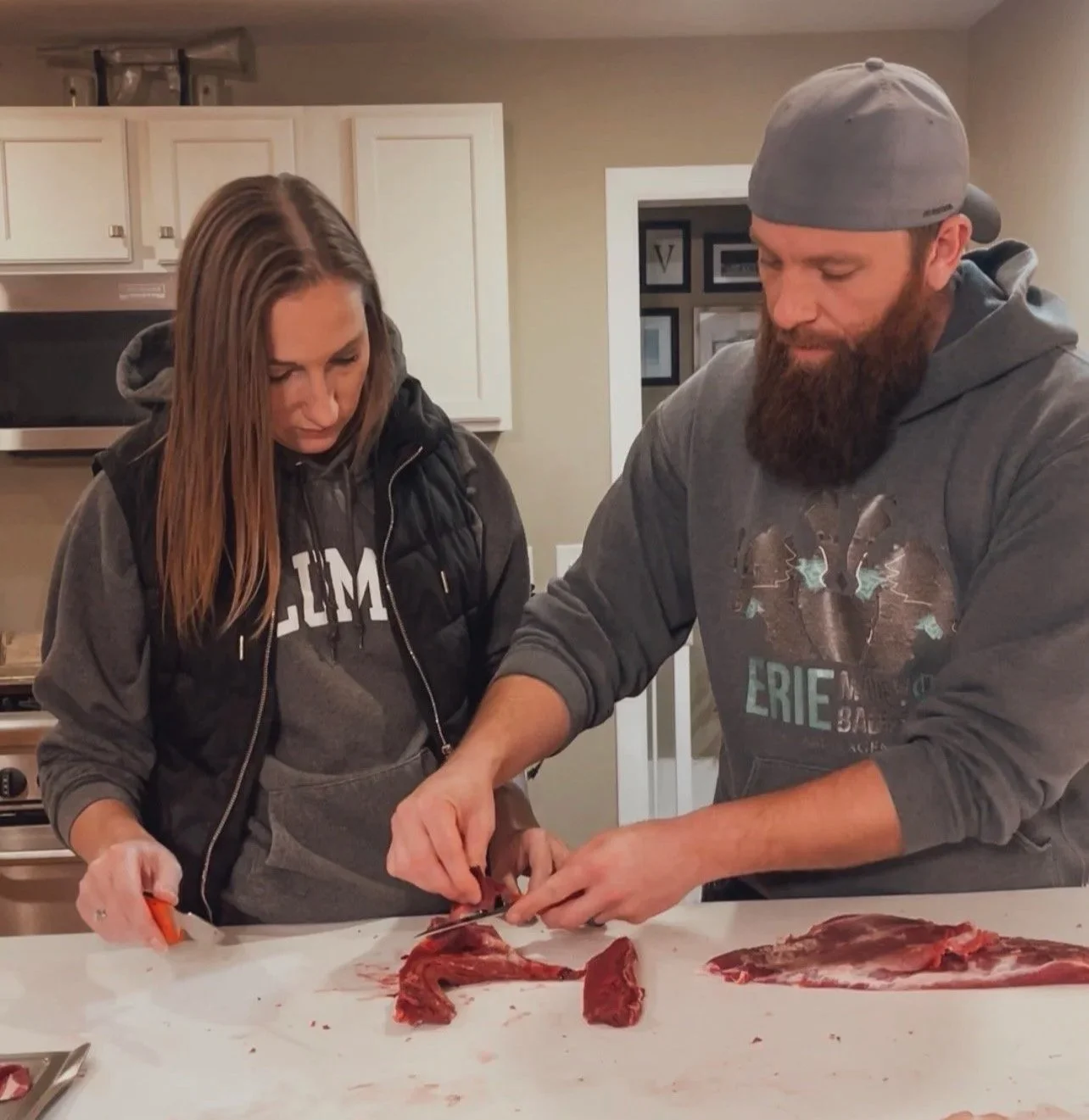
Once we decided to actually begin and build now, the excitement didn’t disappear.
It just got quieter.
Because deciding is one thing.
Understanding what it will require is another.
We both work full time.
Our careers matter to us. We take them seriously. Building a home isn’t replacing that. It’s being layered on top of it.
And that’s the part people don’t romanticize.
Building while working full time means evenings don’t fully belong to you. Weekends aren’t just rest — they’re progress. Mental space is shared between spreadsheets, timelines, budgets, and the next step.
It’s not aesthetic.
It’s not slow mornings and mood boards.
It’s second-shift energy.
And for a moment after we decided to begin, that realization felt heavy.
Not regret.
Responsibility.
There’s a difference.
Because when something shifts from dream to plan, the weight changes. It’s no longer hypothetical. It has timelines. It has costs. It has consequences if you stall.
There’s something else we’ve had to sit with.
When people hear “family land,” it can sound like the easy way out.
And in some ways, it’s a gift. We won’t pretend it isn’t.
But the truth is — our original plan was easier.
We could have kept renting. Stayed comfortable. Hired most of the work out. Built the full house from the start while living exactly as we are now.
This would have taken longer — but it would have been structured. Predictable. Mostly outsourced.
And we could have kept renting while it happened.
That path would have required less of us personally.
This plan requires more.
Yes, the land removes rent.
Yes, it accelerates the timeline.
Yes, it changes the math.
But it also increases the work.
Instead of paying for convenience, we’re choosing involvement.
Instead of outsourcing everything, we’re learning.
Instead of staying comfortable while someone else builds, we’re stepping into it ourselves.
We could hire much of this out if we wanted to.
But we don’t want a finished product that feels distant from us.
We want something our hands remember building.
And that choice — more than the land — is what makes this heavier.
We had to look at it clearly.
The time.
The money.
The energy.
Time means less margin. It means being intentional about what we say yes to. It means choosing to be tired for something that belongs to us.
Money means redirecting what we’ve been paying in rent into something that builds equity instead of disappears. It also means accepting that unexpected costs will show up — because they always do.
Energy might be the hardest one.
You don’t just need physical stamina. You need mental steadiness. You need to resist comparison. You need to stay committed when progress feels slow and life is still demanding everything it did before you started.
Building something meaningful doesn’t remove exhaustion.
It changes what you’re willing to be tired for.
There’s another layer to this that feels important to say out loud too.
This won’t just require time and money. It will require alignment.
We’re not only building a structure. We’re navigating stress, fatigue, decision-making, and pressure — together.
We both work full time. We’ll both be tired. We’ll both care deeply about getting it right.
That means communication has to be intentional. Expectations have to stay clear. Pride has to take a back seat sometimes.
It’s not dramatic to admit that something like this will test a marriage. It’s realistic.
Pressure doesn’t create cracks. It reveals them.
And in a strange way, that’s part of why we’re willing to do it this way.
We don’t just want a house we built.
We want something we built together.
That’s what this decision really required from us — not blind optimism, but clarity.
We’re not contractors.
We’re not ahead.
We’re not experts.
We’re just willing.
Willing to start smaller than our ego might prefer.
Willing to build in phases.
Willing to learn.
Willing to make mistakes publicly.
Willing to trade convenience for ownership.
And once we understood what it would actually take — really looked at it without romanticizing it — something shifted.
It stopped feeling intimidating.
It started feeling possible.
Not easy.
Not effortless.
Not guaranteed.
Possible.
Because the truth is, most people who build something like this aren’t special. They don’t have unlimited time. They don’t have perfect conditions. They don’t wake up ready to take it all on.
They’re just willing.
And once you see the work clearly — once you stop imagining it and start defining it — it stops feeling out of reach.
That’s where we are right now.
Not in the glamorous part.
Not in the finished-home part.
In the part where you understand the cost — and choose it anyway.
